The Redfish Are Tailing on Estes Flats Again, and You Don't Need a Boat to Watch
September 17, 2026
September 17, 2026
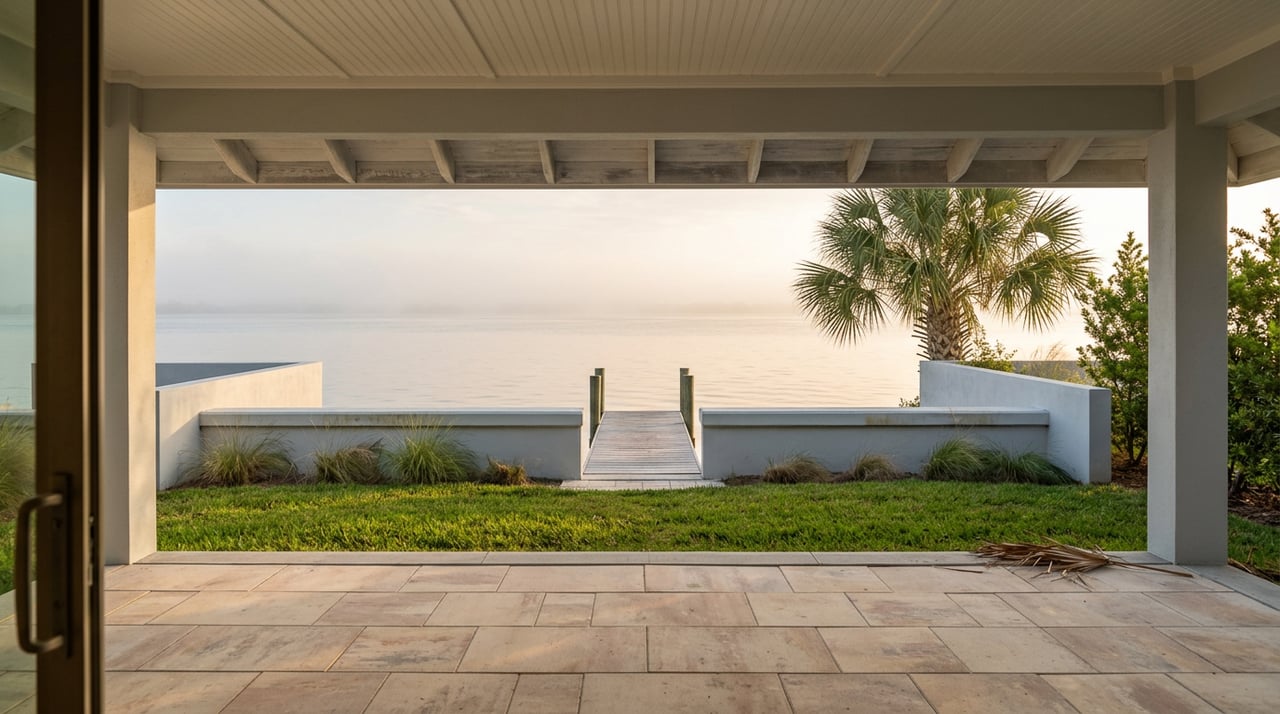
The first sign is a fin. Not a fish breaking the surface in a splash, but a single dark blade rising out of six inches of water and staying there, still, angled toward the mud. A redfish feeding head-down in the grass will push its tail up into the air while it roots for a crab or a shrimp buried in the bottom. From a dock on one of City by the Sea's canals, at first light with the water flat calm, that tail is visible from fifty yards without binoculars.
This is the window. It opens in September, it runs through October, and then it closes again until spring.
Ask anyone on the water this month and they'll tell you the fishing is good right now, and they're not wrong, but they're describing two different things that happen to overlap on the calendar. From September through November, adult redfish move out toward the passes and the open Gulf to spawn, and that's the run surf anglers wait all year for: big bull reds, caught on cut mullet, croaker, and crab off the beach.
That's not what's happening in the shallow water behind your seawall.
The tailing fish on the grass flats are a separate population doing a separate thing. They're feeding, not migrating, and they only tail when the water is thin enough to force them to expose part of their body while they root along the bottom. According to guides who work these waters regularly, that shallow-water tailing behavior shows up in real numbers twice a year, in March and April, and again in September and October. Outside those windows, the same fish are there, but they're feeding in deeper water where you'd never see them from shore.
So the six-to-eight week stretch that just opened on the calendar isn't redfish season in general. It's the specific, narrow overlap between low fall tides, cooling water, and fish shallow enough to watch. Miss it, and you're back to guessing what's under the surface until spring.
Redfish Bay has plenty of water where boat traffic runs all day, engines and wakes pushing fish off the flats before an angler on foot ever gets a shot. Estes Flats is the exception. Boaters treat it as a volunteer no-motor zone, which means the water stays undisturbed in a way that most of the surrounding bay doesn't.
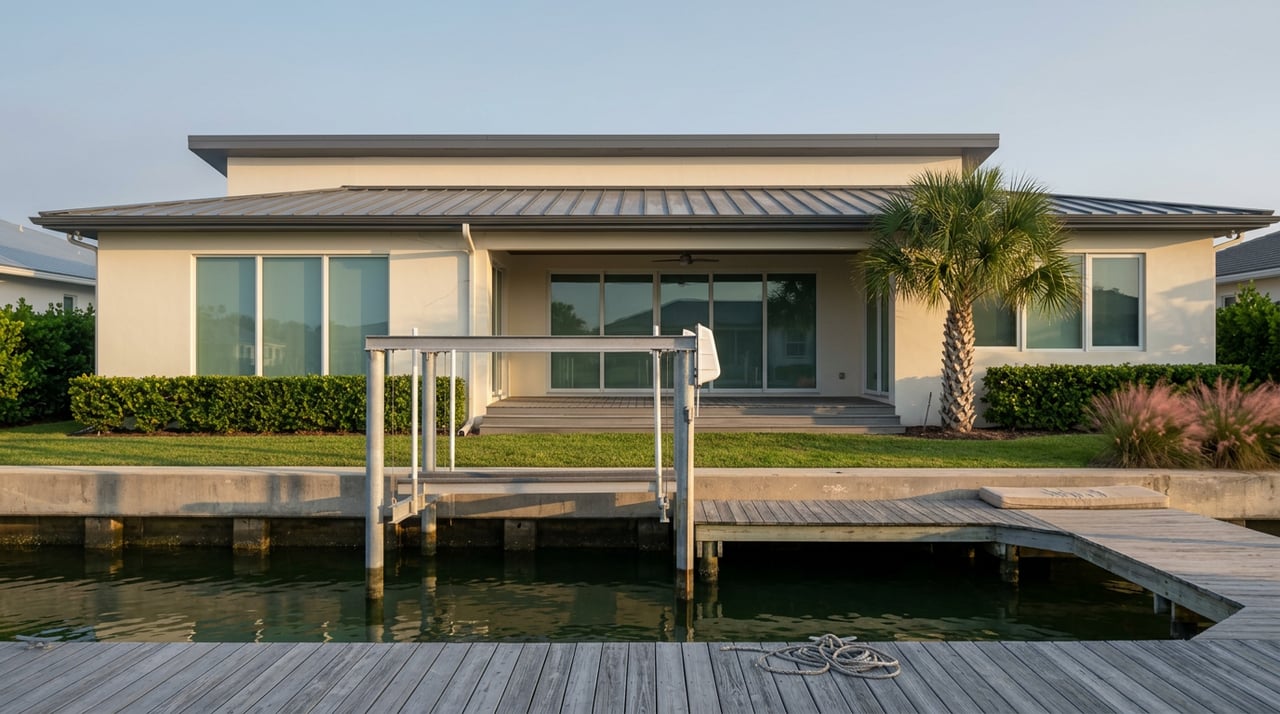
That matters for anyone in City by the Sea who doesn't own a flats boat. A kayak works. A paddleboard works. Even wading from a shallow launch point works, because the fish aren't being pushed around by a steady stream of outboards. City by the Sea's own canal system ties directly into Aransas Bay, Estes Flats, and Redfish Bay, which means the water you're already looking at from your patio is the same water this is happening on. You don't drive to this. You paddle to it, or you just watch it from the dock.
Two spots come up again and again among anglers who fish Estes Flats regularly:
Neither of these is marked with a sign. They're the kind of names that get passed between neighbors on a dock, not printed on a map, which is part of what makes them worth knowing if you live here rather than visit here.
If you're running your own boat, kayak, or paddleboard out onto the flats this fall, there's one regulation worth knowing before you go: Redfish Bay is a designated State Scientific Area, and Texas Parks and Wildlife treats prop scarring through the seagrass here as a real offense, not a warning-and-move-on situation. Since September 2013, uprooting seagrass with a boat propeller in Texas coastal waters carries the weight of a Class C misdemeanor. Electric trolling motors are exempt, which is part of why they're the standard tool for anyone poling quietly across these flats rather than running a gas outboard through them.
The rule exists because the grass is the reason the fish are there in the first place. Seagrass beds are what hold the crabs and shrimp that redfish root for, and the flats that get chewed up by careless prop traffic tend to stop holding fish as reliably. For residents who treat this water as a backyard amenity rather than a destination they visit twice a year, that's a fact worth internalizing rather than just filing away. The health of the flat is the reason the fin shows up in September at all.
None of this requires a charter, a guide, or even much gear. A kayak, a pair of polarized sunglasses, and an early alarm will get you within casting distance of fish that most visitors to the Coastal Bend never see, because most visitors don't know when to look or where. The window is short. By late fall, the tailing fish drop back into deeper water and stay there until the spring window opens again in March.
For anyone living on the canals here, that's the actual value of the next month and a half: not a bigger catch, but a specific, recurring, dock-visible event that most of the Texas coast doesn't offer its residents without a boat trip. It's one more thing that separates living on this water from visiting it.
If you're thinking about what else the boater lifestyle looks like up and down the Coastal Bend, from dock setups to seasonal routines, Kathy Tullis's guide to boating life in Island Moorings covers a lot of the same ground from a different stretch of water. And if you want the fuller picture of what makes City by the Sea's canal system distinct from the rest of the Coastal Bend, the neighborhood guide is a good place to start.
Set an alarm before sunrise this week. Grab the kayak. The tail will still be there.
Kathy Tullis has spent years learning the water and the neighborhoods of the Coastal Bend, from the canals of City by the Sea to the bayfronts of Rockport. If you're curious what your own waterfront property is worth in today's market, or you simply want a local perspective before your next move, reach out anytime.



With decades of top-tier experience and a passion for personalized service, Kathy Tullis is more than an agent—she's your dedicated guide in achieving your real estate dreams. Her proven expertise and client-first approach ensure every detail is handled with care and excellence.
Get In Touch With Kathy To Learn More