Island Moorings Boat Dock Guide to Docks & Lifts
December 18, 2025
December 18, 2025
Dreaming of stepping out your back door in Island Moorings and hopping straight onto your boat? With Port Aransas canals offering quick access to the bays and the Gulf, it is a boater’s dream. But getting docks and lifts right takes local know-how, from the right setup and materials to permits, HOA rules, and storm prep. This guide gives you the essentials so you can buy or upgrade with confidence. Let’s dive in.
Island Moorings sits in Port Aransas on the Texas Coastal Bend, with canals that connect to the Corpus Christi Bay and Aransas Bay system, then out to the Gulf of Mexico. Water here is brackish to saline, which affects materials and maintenance choices. Tides are modest, often around 1 to 2 feet, but wind-driven water level swings can be more dramatic during fronts and storms.
The area is hurricane-prone. Storm surge, sustained winds, and floating debris are key risks for docks, lifts, and vessels. When you evaluate a property or plan upgrades, build with these coastal realities in mind.
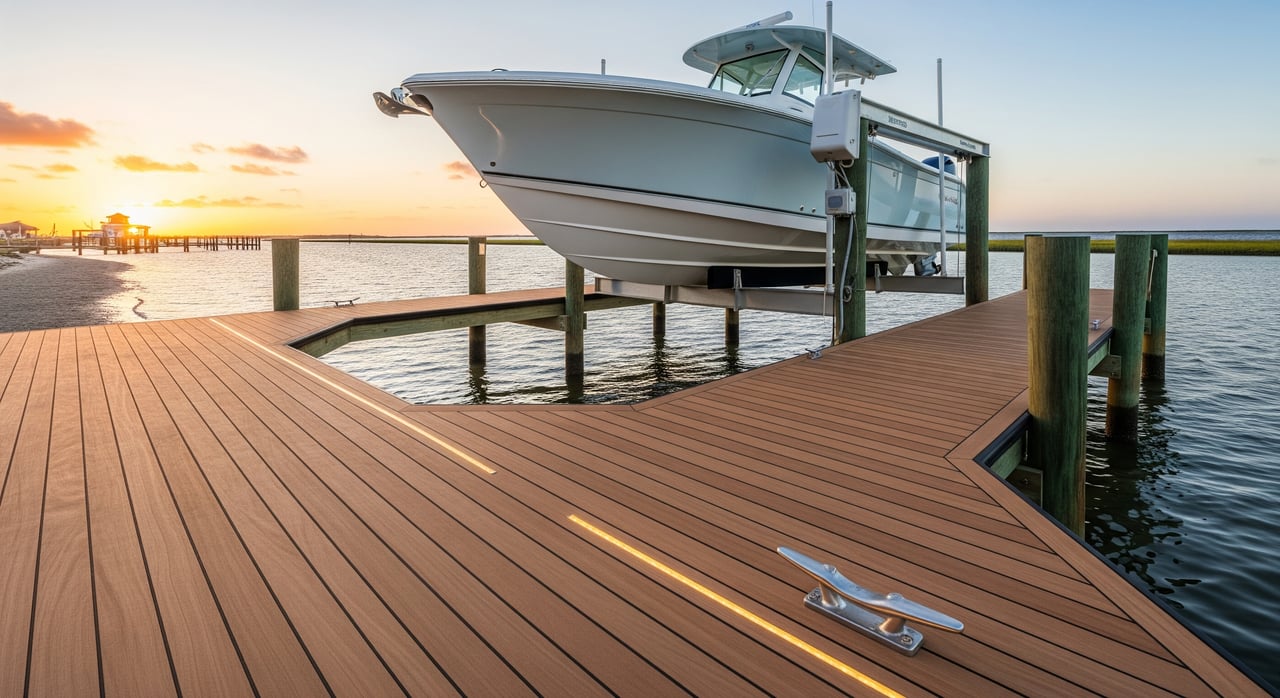
Fixed docks use timber or composite decking on piles driven into the canal bed. They work well in calmer, residential canals where a steady deck elevation is a plus. In Island Moorings, they are common and practical, especially if you want firm, stable access and tidy lines along a bulkhead.
Floating docks ride on floats and connect to shore with a gangway. These can handle water-level changes well and are useful where bottoms are soft. They require secure anchoring to withstand wind events. Floating options may be easier to adjust or relocate if needed, which can be helpful for storm prep.
You will also see hybrids that combine a small fixed platform with floating fingers pinned to piles. Many lots have a seawall or bulkhead with a short landing or finger dock rather than large marina-style structures. The goal is simple, safe access that fits the lot and the canal’s navigational width.
These fixed-frame lifts attach to piles. They raise your boat on cradles or bunks, keeping it out of the water to reduce fouling and corrosion. They are a common residential choice in Island Moorings canals because they are sturdy and space efficient.
Pontoon-style or cradle-on-float systems work where piles are hard to install, though they are less common in areas prone to stronger currents or storm exposure. They can be a flexible solution when you cannot add more piles.
Hydraulic lifts are designed for heavier boats and can provide smooth, quick operation. They require electrical or hydraulic power and typically come at a higher cost. They are an option if you plan to store a larger vessel and want ease of use.
Cable and winch lifts are cost-conscious for smaller craft. They need regular inspections for cable wear, alignment, and proper operation. Regardless of the system, follow the manufacturer’s maintenance schedule.
Typical boats in Port Aransas canals include center consoles, bay boats, flats boats, small cuddy cabins, and bay cruisers, often in the 18 to 30 foot range. Keep these sizing tips in mind:
Several authorities may be involved depending on your exact lot and scope of work:
Permit triggers vary based on whether your work is seaward of the bulkhead line, involves dredging, or replaces a seawall. Always verify current requirements with the appropriate offices.
New dock or pier construction, major repairs or replacements, lift installations, dredging, and seawall work often require permits. There are different levels of authorization at the federal, state, and city level. Local inspection codes also apply to electrical and structural work on docks and lifts.
Action step: request copies of recorded permits, as-built drawings, and permit close-out documents for any property you are considering buying.
Most canal-front HOAs require design approval for docks and lifts. Expect guidelines on materials and aesthetics, canopy or roof styles, boat size limits, and the number of vessels per lot. Many prohibit liveaboards or overnight stays on tied-up boats. Owners are usually responsible for keeping their dock safe and well maintained. You may be required to carry liability insurance and to use insured contractors within certain work hours.
Do not assume any specific setup is allowed. Ask the HOA for the latest CC&Rs, architectural guidelines, and recent meeting minutes to confirm enforcement.
Plan a yearly inspection of piles, framing, connectors, and decking. Look for rot in wood, corrosion in metal, and any loose or damaged components. Replace compromised fasteners and brackets with marine-grade hardware.
Shore power should use GFCI protection and be inspected by a qualified marine electrician. Check lighting, outlets, and wiring for corrosion. A locked breaker or disconnect improves safety when the property is unoccupied.
Inspect winches, cables or synthetic lines, motors, and gearboxes. Replace worn parts promptly. If your lift is hydraulic, change fluids per the manufacturer’s schedule. Confirm bunks, rollers, and limit switches are set correctly for your vessel.
Pressure-wash decking as needed and apply protective finishes on timber. Remove barnacles and marine growth from submerged parts. Use sacrificial anodes where appropriate and maintain protective coatings on metal.
Install non-slip surfaces on wet areas, add proper dock lighting, and keep clear access paths. Have a life ring and a ladder available. Use adequate cleats and fendering so lines are secure without chafing.
Pre-storm, remove smaller boats to safer storage if possible. If you must leave a boat on a lift, raise it only if the lift and piles are rated and properly secured. Stow all dock furniture and loose items.
Pile-mounted docks can perform well in some surge conditions if they are well built. Floating docks can break loose if not secured, yet they may be easier to disconnect or relocate before a storm. After a storm, photograph any damage, check for electrical hazards, and contact your insurer. If you are away during hurricane season, consider winterizing systems and shutting down dock power.
Before you make an offer or remove contingencies, request and verify:
When you have the right plan, canal-front living in Island Moorings delivers unmatched convenience and lifestyle. If you want a property that pairs the right dock and lift with the way you boat, the next step is a local partner who can guide you through the details.
Ready to explore Island Moorings homes or evaluate a specific dock and lift setup? Connect with Kathy Tullis for local insight and discreet, high-touch guidance.
With decades of top-tier experience and a passion for personalized service, Kathy Tullis is more than an agent—she's your dedicated guide in achieving your real estate dreams. Her proven expertise and client-first approach ensure every detail is handled with care and excellence.
Get In Touch With Kathy To Learn More