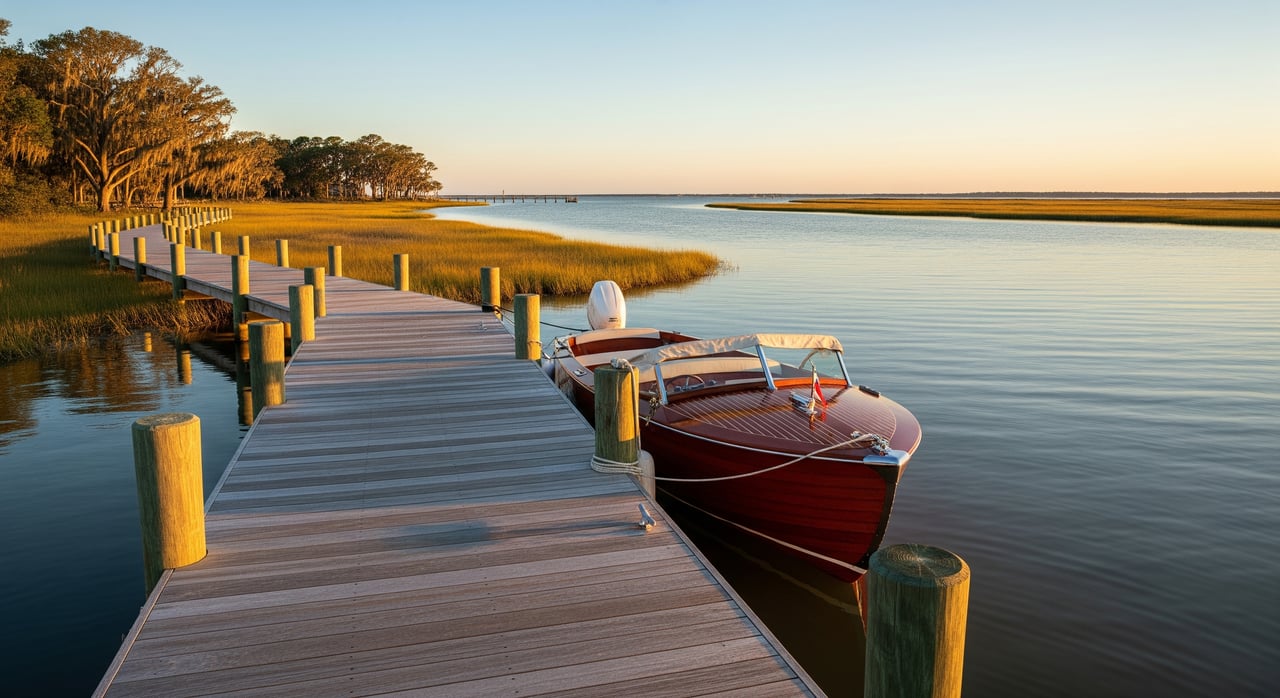
Everyday St Charles Bay Fishing Access at The Reserve
January 1, 2026
January 1, 2026
What does a perfect day on the bay look like for you? Maybe it starts with coffee on a quiet boardwalk, a quick paddle at sunrise, or an easy stroll to watch herons in the marsh. If you are considering The Reserve at St. Charles Bay in Lamar, you are likely dreaming about daily, low-effort access to water, wildlife, and wide-open sky. This guide shows you how everyday life can flow here, from docks and kayak launches to trails and birding, with practical tips for tides, seasons, and safety. Let’s dive in.
St. Charles Bay sits on the Texas Coastal Bend. It is a shallow, protected system with seagrass beds, marsh, and tidal flats. These features create calm paddling and reliable shore fishing in many areas. They also mean water depth can change with the tides, so timing matters when you launch or tie up.
Winters are generally mild, which draws many seasonal residents. Summers are hot and humid, and hurricane season runs June through November. Many snowbirds plan longer visits in fall through spring to enjoy cooler weather and peak birding. During the warmest months, stay aware of red tide or algal blooms that can affect air and water quality. Local advisories help you decide when to head out and when to rest.
Boardwalks and docks shape daily routines at The Reserve and around St. Charles Bay. You might carry a rod to the end of a pier, meet neighbors for a sunset walk, or step down to a floating dock for a paddle. The exact locations, slip counts, and guest policies depend on the community’s rules. Always confirm details with the HOA or developer before you buy.
Features that often matter for easy, age-friendly access include:
If you plan to keep a boat, ask the HOA for written rules and maps. Verify water depth, draft limits, fueling options off-site, and maintenance responsibilities for any shared facilities.
Calm, shallow water is a gift for paddlers. Look for low-profile launches that make it easy to slide in a kayak or SUP. Cart-friendly paths, short distances from parking to the shoreline, and rinse hoses make quick outings much simpler. From launch points on St. Charles Bay, you can often paddle protected channels, edge along the marsh, and loop back without crossing large open water.
Confirm whether a launch is private or open to the public, and check where to park if you have a roof rack or small trailer. For broader planning, you can browse the Texas Parks and Wildlife Department’s resources for public access and ramps using the TPWD water access tools found on the department’s site.
If you enjoy inshore fishing, St. Charles Bay offers classic Coastal Bend targets. You may find red drum, spotted seatrout, flounder, black drum, sheepshead, and bay mullet in the region. Spring and fall are often strong for many inshore species, with cooler months inviting relaxed, mid-day outings.
Light tackle with soft plastics, topwaters at first light, or live shrimp near structure are common choices. If you are fishing from a boardwalk or shoreline, tide movement can help. Always follow size and bag limits, and carry the proper license. For current rules, consult the Texas Parks and Wildlife Department’s official guidance.
Local bait shops and charters can provide up-to-date reports and seasonal tips. Keep a simple kit near the door so you can grab a rod when the wind lays down.
One reason people choose this stretch of the coast is the wildlife. Marsh and tidal flats attract herons, egrets, roseate spoonbills, shorebirds, and raptors. During late fall through early spring, the region is a prime birding destination. Nearby, the Aransas National Wildlife Refuge offers trails and observation areas to see migrating and wintering species, including the region’s renowned whooping crane population.
For the best experience, bring binoculars, wear neutral colors, and give wildlife ample space. Move quietly, avoid feeding animals, and pack out all trash. Benches, shade, and gentle grades on community paths can make daily walks healthier and more enjoyable.
Because St. Charles Bay is shallow, tides shape your day. On low water, deeper-draft boats may have limited access. On higher water, it is easier to launch and return to a slip. Before you head out, check tides and marine conditions.
Hurricane season runs June through November. If you are a seasonal resident, have a plan for boat storage, tie-downs, and evacuation. Review community procedures and regional guidance before storm season. Flood risk is part of coastal living, and elevation can vary, so map your property’s zone and talk with your insurance provider about coverage.
Daily life at The Reserve can be refreshingly simple. You might join neighbors for a morning walk, take a short paddle at lunch, and fish the evening bite at sunset. Aransas County communities, including Rockport–Fulton and Port Aransas, offer dining, groceries, medical clinics, and marine services within a reasonable drive. Service hours may expand or contract with the season, so it helps to call ahead during peak holidays.
Many residents enjoy small-group activities, casual fishing clubs, and volunteer opportunities, including at public lands in the region. If you split time between homes, set up a checklist for off-season care, including boat maintenance, mail forwarding, and insurance updates.
Use this quick list to make sure the lifestyle you want is easy to enjoy.
If you picture life where the water is an easy extension of your backyard, The Reserve at St. Charles Bay offers a compelling setting. The shallow, protected bay makes quick paddles and relaxed fishing part of your day. Trails, boardwalks, and regional wildlife viewing add variety without a long drive. With a smart plan for tides, seasons, and access rules, you can enjoy more time outside and less time coordinating logistics.
When you are ready to explore homes and confirm the amenities that matter to you, connect with a local advisor who knows the Coastal Bend and understands seasonal living. Reach out to Kathy Tullis for a personal walkthrough of The Reserve and nearby communities, plus guidance on water access, lifestyle fit, and value.




With decades of top-tier experience and a passion for personalized service, Kathy Tullis is more than an agent—she's your dedicated guide in achieving your real estate dreams. Her proven expertise and client-first approach ensure every detail is handled with care and excellence.
Get In Touch With Kathy To Learn More