Cinnamon Shore Rental Home Advice for Beach Owners
June 11, 2026
June 11, 2026
Wondering whether your Cinnamon Shore beach home should stay your private retreat or start working for you part of the year? That is a common question on Mustang Island, where many owners want both personal enjoyment and the chance to offset costs. The right answer depends on how you want to use the home, what kind of workload you are comfortable with, and how Port Aransas short-term rental rules apply. Let’s walk through the key factors so you can make a confident, well-informed decision.
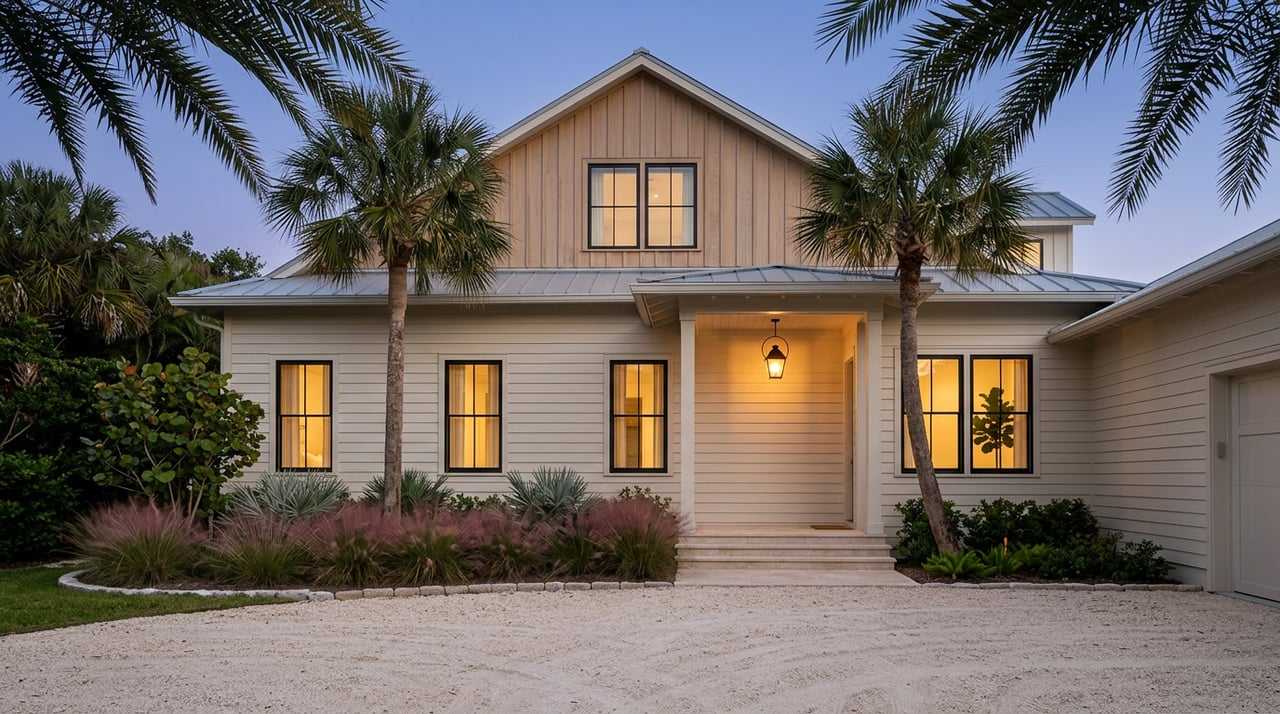
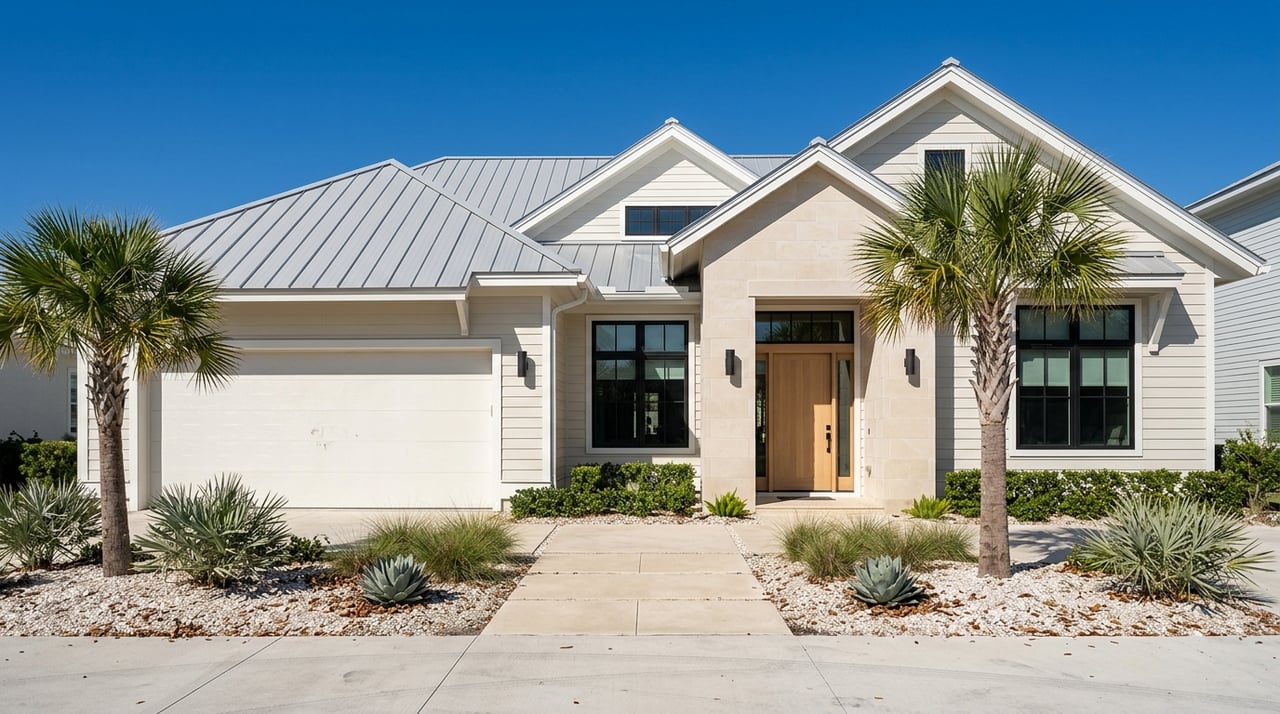
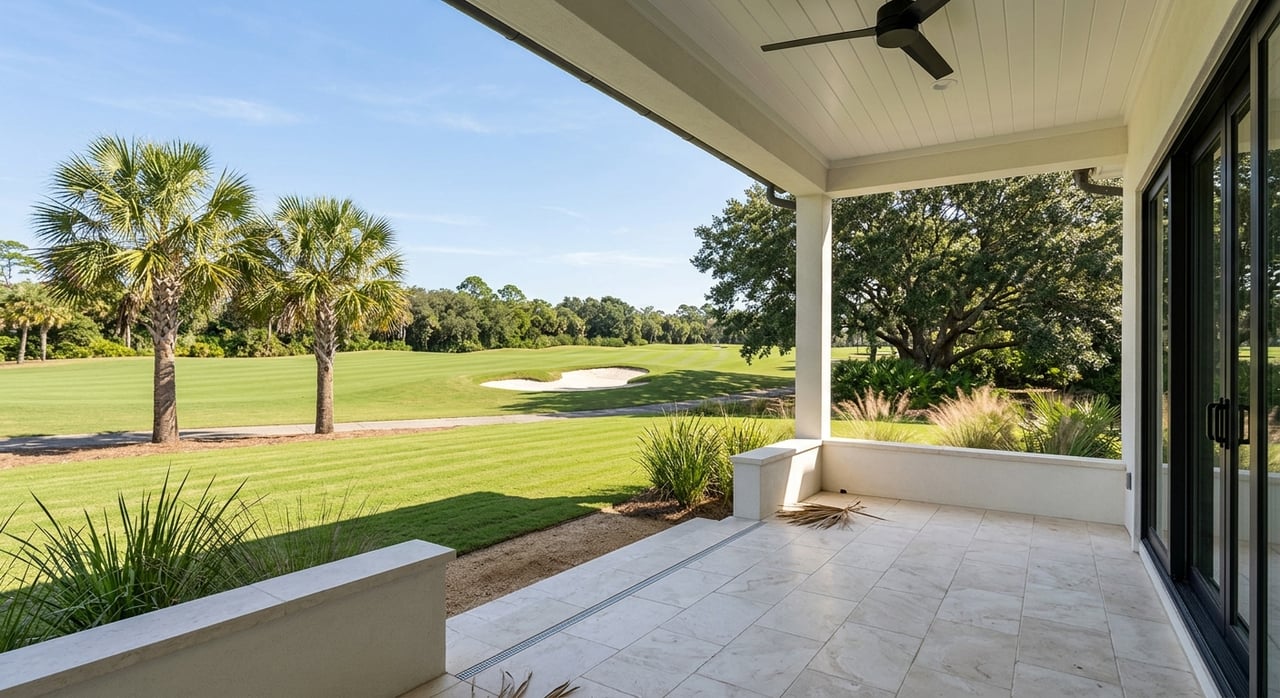
Cinnamon Shore is not just another beach neighborhood. It is a resort-style community in Port Aransas with a built-in guest experience that includes pools, dining, shopping, private dune crossovers, beach chair and umbrella service, bonfires, golf carts, and year-round services.
That matters because your home may function as both a lifestyle property and a rental asset. A 2024 RCLCO survey found that 63% of vacation and investment home buyers expected meaningful appreciation and or rental income, and nearly 65% planned to rent at least some of the time. In communities like Cinnamon Shore, that hybrid approach is often the starting point.
Port Aransas draws more than a million visitors a year and is positioned by local tourism officials as a major Texas beach destination. That level of tourism helps explain why short-term rentals are such a visible part of the local market.
Current AirDNA data shows about 4,501 active vacation rentals in Port Aransas, with 46% occupancy, a $489.60 average daily rate, and $47.9K in annual revenue. AirDNA also lists Cinnamon Shore among the larger local managers, with 337 listings, which suggests there is already an established managed-rental footprint inside the community.
Rental demand in Port Aransas is not spread evenly across the year. The local event calendar and beach safety schedules point to stronger demand during spring break, late spring, summer, and holiday or event weekends.
For you as an owner, that creates an important tradeoff. The very weeks you may want to enjoy your beach home most are often the weeks with the strongest rental potential. If your favorite time at the coast is spontaneous summer use, renting may feel more restrictive than it looks on paper.
If you see your Cinnamon Shore home as both a getaway and a financial asset, renting it out part time may be a smart fit. This approach can help offset carrying costs while still letting you reserve personal-use dates that matter most to you.
It also matches how many second-home owners already think. National survey data suggests many buyers are not choosing between lifestyle and income. They are trying to balance both.
You may want to rent your beach home if:
Not every Cinnamon Shore owner needs rental income to justify ownership. For some owners, the value of the home is personal flexibility, privacy, and the ability to visit whenever the mood strikes.
Keeping the home mostly private may make more sense if peak-season access matters more than income. It can also be the better choice if you do not want to deal with turnover schedules, maintenance coordination, tax reporting, or the general demands that come with short-term guests.
You may want to keep the property private if:
If you rent your home for 30 days or less in Port Aransas, you need a short-term rental permit. The city’s 2025 short-term rental information sheet says registration and renewal fees are $200 for an efficiency or 1-bedroom unit, plus $100 for each additional bedroom, and registrations expire on December 31.
The city also requires compliance with several operating rules. Those include permit-number advertising, a tenant information sheet, and following local occupancy, parking, and noise standards.
One of the most important city requirements is a 24/7 local contact who can respond in person within one hour. Even if you hire a manager or rental agent, the city says the owner remains responsible for compliance.
That is a key point for second-home owners who live outside the area. Renting is possible, but you need a dependable local system in place.
The city’s 2025 handout says daily and weekly rentals are permitted only in areas zoned R-2 or higher. The short-term rental ordinance also states that city rules do not override deed restrictions, covenants, or HOA limits.
In plain terms, city approval is only part of the picture. You also need to understand any community-level restrictions that may apply to your property.
Port Aransas says the combined hotel occupancy tax rate is 13%, made up of 7% city tax and 6% state tax. Monthly tax reports are filed through MuniRevs and are due by the 20th of the following month.
The city also warns that Airbnb and VRBO do not collect or remit the city occupancy tax on the owner’s behalf. If you self-manage, you need a clear process for tracking gross revenue, including add-on charges that are part of the total booking price, and for filing and remitting on time.
Cinnamon Shore appears to offer owners a more structured rental environment than many coastal communities. Its official materials show separate North and South rental offices on-site, along with owner portal and guest-login systems.
That setup can make renting more convenient because the guest experience is already built around on-site coordination. It may reduce how much direct guest communication and logistical work you have to manage yourself.
An on-site program may appeal to you if you want:
Cinnamon Shore’s FAQ also notes that golf carts are available through the on-site team and are in high demand during peak seasons. That is another sign that guest convenience is part of a broader managed experience.
Self-management can offer more direct control over pricing, calendar blocks, and personal-use dates. If you want to decide exactly when the home is available and how it is positioned, that flexibility can be appealing.
But self-management also means you need to solve for housekeeping, maintenance, issue response, tax reporting, and the 24/7 local contact requirement. For some owners, that control is worth it. For others, it quickly becomes more work than expected.
Owning on Mustang Island comes with factors that inland owners do not have to weigh in the same way. Port Aransas tourism officials note that local life is shaped by visitor surges and seasonal hurricane risk.
That makes your rental decision about more than projected income. It is also about how much operational complexity you want in a coastal environment where weather, seasonality, and peak travel patterns can affect both personal use and guest bookings.
Before you rent out your Cinnamon Shore beach home, it helps to think through a few practical questions:
Your answers will usually point you toward the right strategy. In many cases, the best decision is not simply rent or do not rent. It is choosing a level of rental activity that fits your lifestyle and ownership goals.
For many Cinnamon Shore owners, renting part time can be a practical way to support ownership while still enjoying the home. For others, keeping the property mostly private protects the flexibility and ease that made them buy at the coast in the first place.
The best path depends on how you use the home, how much structure you want, and how the numbers line up with your goals. If you are weighing whether to buy, sell, or position a Cinnamon Shore home as a second residence with rental potential, working with a local advisor can help you evaluate the tradeoffs with more clarity. When you are ready for tailored guidance on Mustang Island real estate, connect with Kathy Tullis.

With decades of top-tier experience and a passion for personalized service, Kathy Tullis is more than an agent—she's your dedicated guide in achieving your real estate dreams. Her proven expertise and client-first approach ensure every detail is handled with care and excellence.
Get In Touch With Kathy To Learn More